Read More Case Studies
Insights, ideas, and real-world results. From new ways of thinking about packaging to case studies that show how we’ve solved complex challenges.

Many brands compete for attention with bold designs, but the ones that look largest and most reliable on the shelf usually follow a different strategy: their packaging behaves like a system across the entire portfolio.
Consumers are saturated. Advertising appears everywhere: on the subway, on the road, and constantly on their phones. By the time shoppers reach the supermarket shelf, they are already overstimulated and distracted.
Brands that appear large and established on the shelf are often the brands whose packaging behaves like a system.
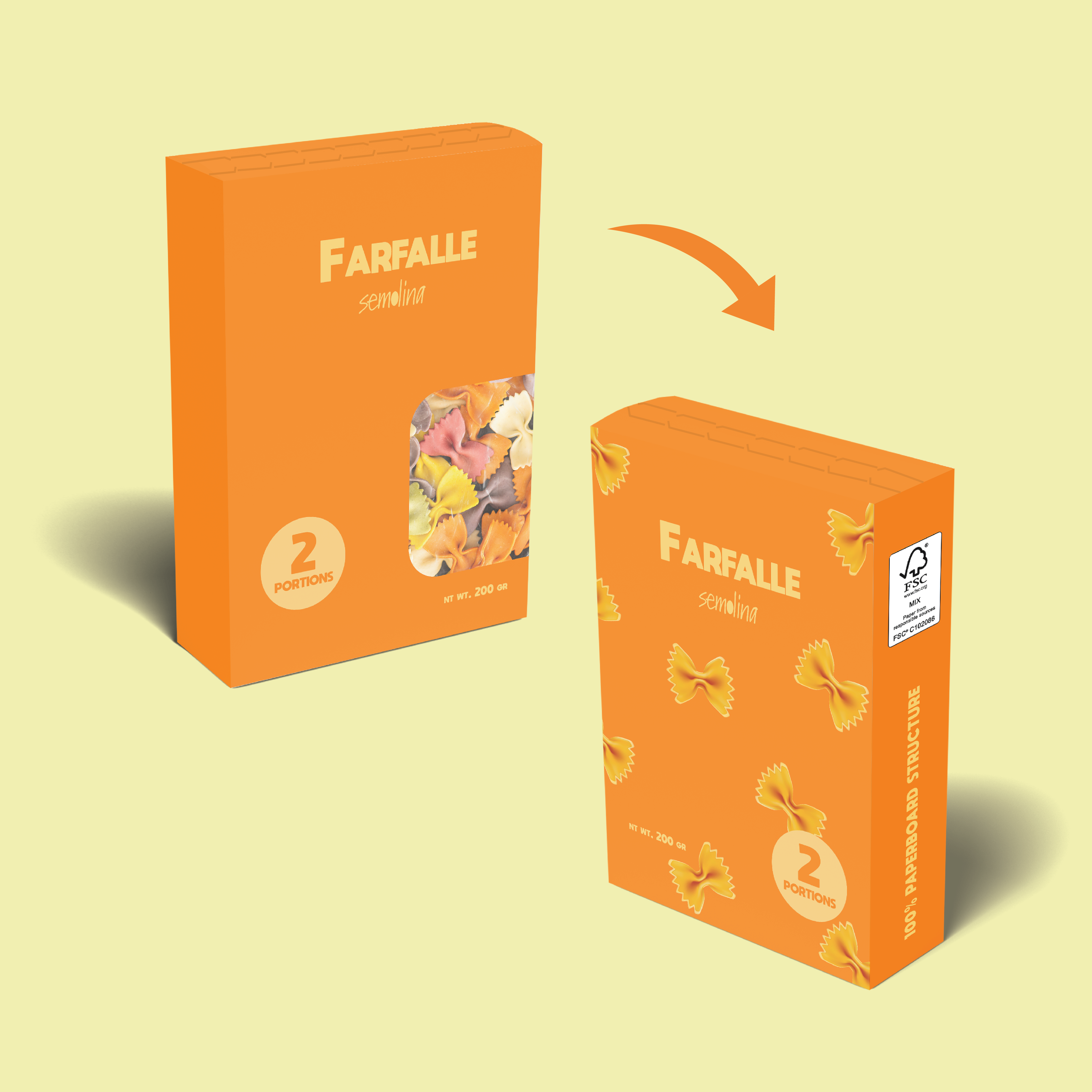
Instead of treating each product as a separate design exercise, these brands build a visual language that carries across their entire portfolio. New products feel less like independent launches and more like additional chapters in the same story.
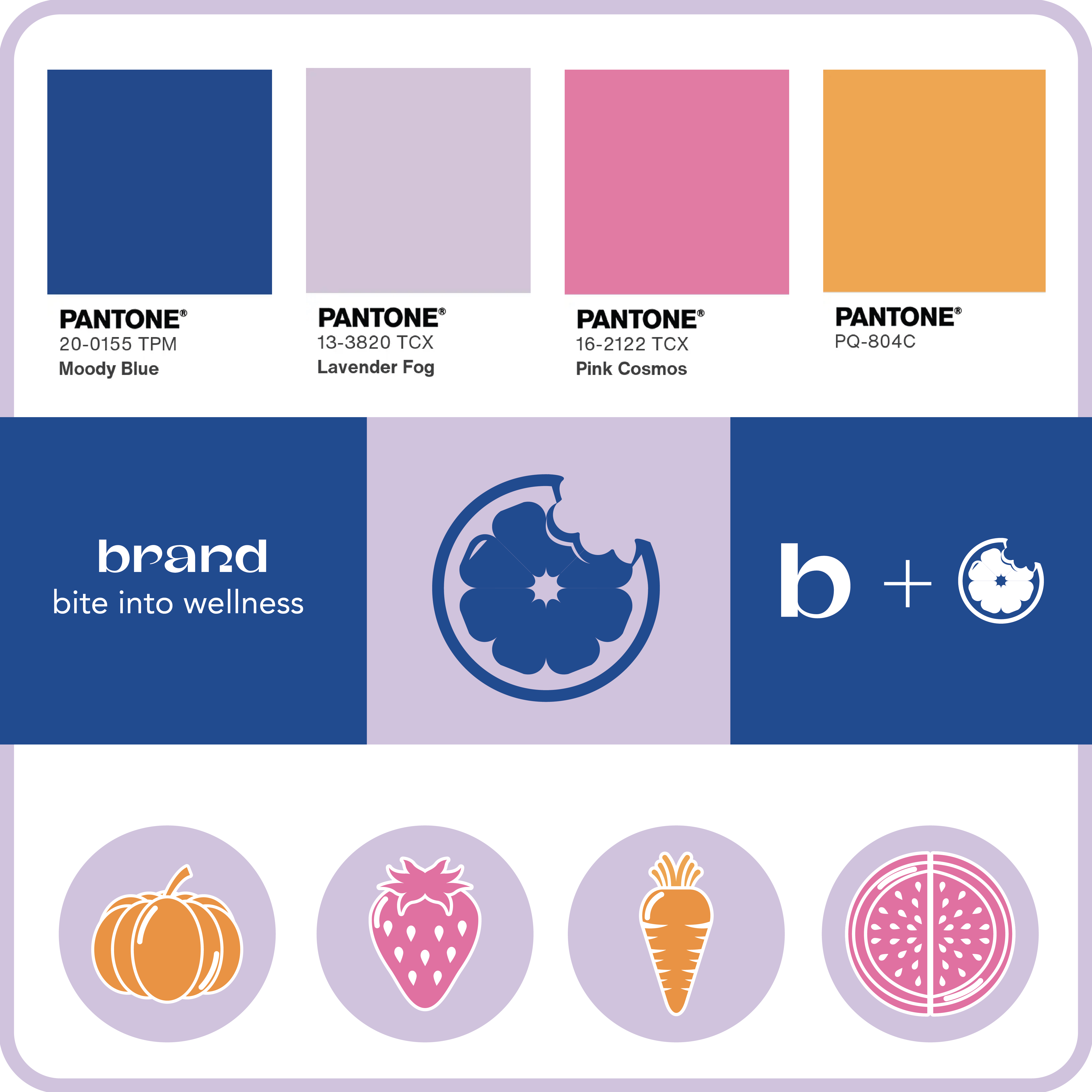
When the color palette feels familiar, the illustration style repeats across products, the typography follows the same logic, and the layouts share the same rhythm, consumers begin to recognize the brand even before they read the name. As new flavors or formats appear, the packaging still feels unmistakably part of the same family.
When the system works, a brand portfolio begins to feel intentional and cohesive. The shelf presence looks organized, confident, and established. Even smaller brands can appear larger and more reliable because every product reinforces the same visual identity.
This dynamic becomes especially visible in categories experiencing rapid growth. Tea, for example, has seen renewed momentum in recent years as consumers explore functional ingredients, wellness rituals, and new beverage experiences. The U.S. tea market is projected to grow from approximately $3.11 billion to $3.76 billion by 2032, while innovations such as matcha-based beverages, botanical infusions, and ready-to-drink formats continue to expand the category.
If your brand, like tea, is part of a growing market, do not wait for the opportunity to expand your portfolio to arrive before planning your brand’s story. Dedicate time with your team to imagine what an expanded portfolio would look like both on the shelf and online, as e-commerce is also expected to grow to around 11% in the coming years. Your packaging should be recognizable to consumers in either space.
Color is often one of the strongest signals within that system. Many brands rely on distinctive Pantone colors that customers learn to recognize over time. Maintaining those colors consistently across different products, materials, and production runs requires the right technology and, ideally, in-house ink labs that allow suppliers to maintain full control over color formulation.
Materials and print finishes also play a role in this continuity. The feel of a label or the texture of a paper stock contributes to how the brand is perceived. This becomes even more important when consumers purchase products through e-commerce. The moment the product arrives, the materials should feel premium and familiar. Any change in texture can create doubt and even make customers wonder whether they received a counterfeit product. This can be avoided when suppliers keep months of material inventory for brands.
Likewise, when dielines change from one production run to another, even slightly, typography and illustrations can shift in ways that break the rhythm of a portfolio. To avoid this, work with suppliers who control the full production workflow, including the creation and storage of cutting dies. Keeping these tools consistent allows the same layouts to be reproduced reliably across multiple runs and future product launches.
When color, materials, and layouts remain aligned, your portfolio behaves like a family, and customers begin to feel like they are part of it. That familiarity builds loyalty and recognition over time, helping position your brand as one of the established names on the shelf.

From first samples to full production, we’re here to make every step easier.
Insights, ideas, and real-world results. From new ways of thinking about packaging to case studies that show how we’ve solved complex challenges.
Manage how this site uses cookies. Essential cookies are always on.
Required for the site to function. Always active.
Google Analytics 4, HubSpot, and PostHog. Helps us understand site traffic. PostHog may also record on-page activity such as clicks, scrolling, and mouse movement (session replay) to help us diagnose usability issues.
Google Ads and Apollo.io. Apollo attempts to identify individual visitors and their employer using third-party business data, for sales and marketing outreach. Turning this off is your opt-out right.