Read More Case Studies
Insights, ideas, and real-world results. From new ways of thinking about packaging to case studies that show how we’ve solved complex challenges.

Modern premium packaging is increasingly defined by the Integrity Premium, utilizing monomaterial design and the strategic removal of secondary plastics to meet elevated consumer expectations. Navigating regulatory shifts like California’s SB 343 and focusing on material transparency can convert sustainability from a deciding purchase factor into a long-term trust signal.
Premium packaging was once defined by more—more weight, more layers, more complex coatings. Today, that definition has shifted. In a market where 60–70% of consumers (McKinsey) are willing to pay a premium for sustainable goods, luxury is no longer about excess; it is about intentionality.
For the modern consumer, the final purchase decision is a verification of values. They are not lowering their aesthetic standards—they are raising their expectations for environmental integrity.
Sustainability often enters the consumer’s journey as the confirming factor. A shopper may be drawn in by your brand’s story and design, but if the physical package feels excessive or non-recyclable, it creates purchase friction. Recent data suggests a growing segment of shoppers actively avoids products they perceive as unsustainable. In that moment, the perception shifts from whether the product looks good to whether it feels right to choose.
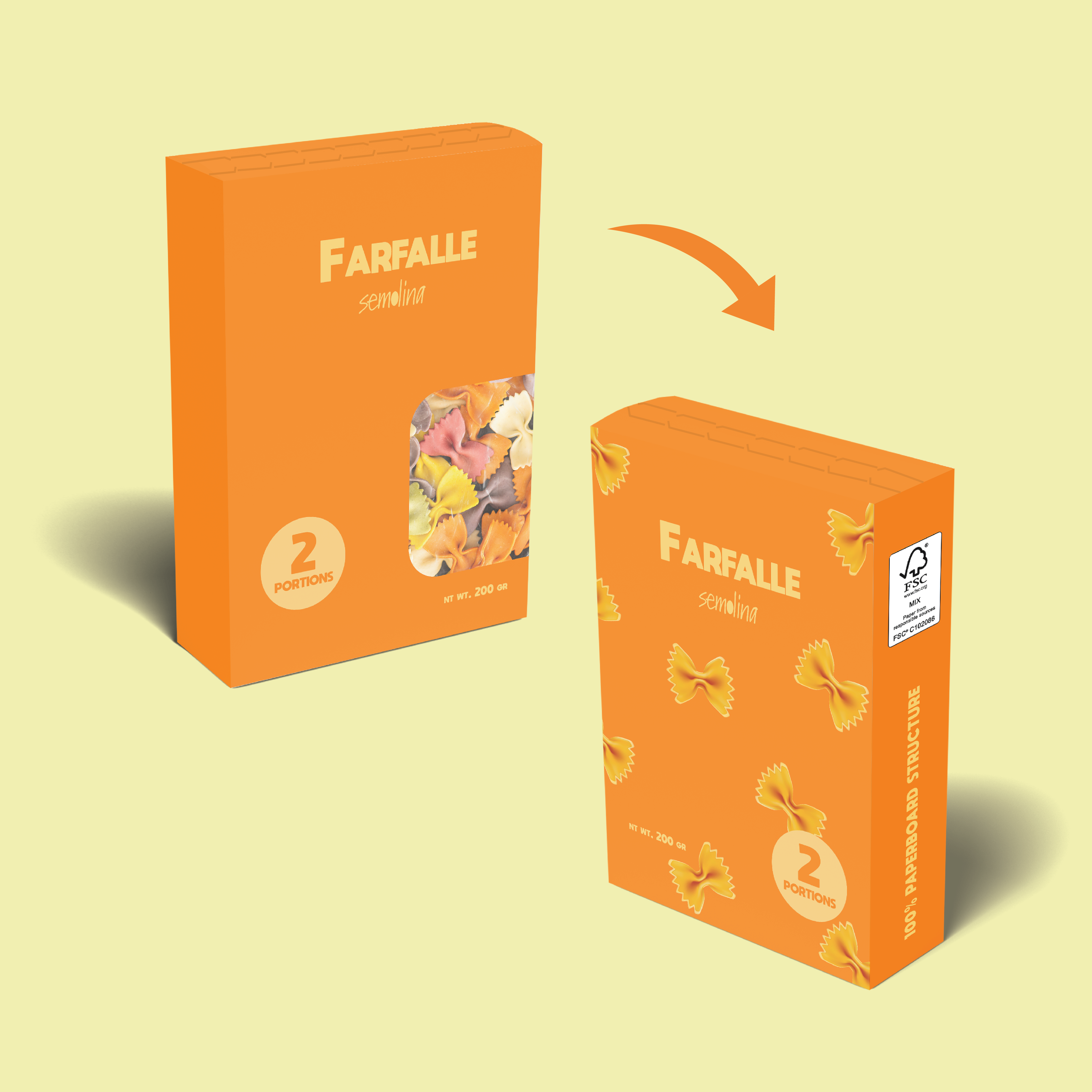
One of the most innovative ways to signal premium quality today is through monomaterial elegance. Traditionally, brands used plastic windows to showcase products, but these often create recycling guilt and complicate the waste stream.
Leading brands are now embracing negative space branding. By replacing plastic windows with high-fidelity photography, spot UV accents, or intricate die-cut reveals, you remove a contaminant from the recycling stream while creating a more sophisticated, resolved aesthetic. This shift toward a single material—such as FSC-certified paperboard—signals to the consumer that every element of the package has been engineered with purpose.
With increased scrutiny around environmental claims—including strict regulations like California’s SB 343—consumers are becoming wary of generic eco symbols. The chasing arrows are no longer enough to build trust; in fact, vague claims can now lead to "greenwashing" skepticism.
The most effective trust signal is no longer a logo, but transparency. Premium brands are moving toward verifiable certifications and analog security—using finishes like blind embossing instead of heavy metallic inks to communicate a brand’s footprint. This creates what we call the integrity premium: the consumer feels the quality not because you told them it was sustainable, but because they can see the restraint in the design.
The risk of going green is overcorrecting into a generic, earthy aesthetic that strips away brand identity. However, sustainability and desirability are not mutually exclusive. When materials are used efficiently and the structure feels deliberate, sustainability becomes part of the design rather than an afterthought.
In today’s market, premium is no longer about standing out through volume; it is about standing behind what you put into the world—and ensuring your customer feels that integrity the moment they pick it up.

From first samples to full production, we’re here to make every step easier.
Insights, ideas, and real-world results. From new ways of thinking about packaging to case studies that show how we’ve solved complex challenges.
Manage how this site uses cookies. Essential cookies are always on.
Required for the site to function. Always active.
Google Analytics 4, HubSpot, and PostHog. Helps us understand site traffic. PostHog may also record on-page activity such as clicks, scrolling, and mouse movement (session replay) to help us diagnose usability issues.
Google Ads and Apollo.io. Apollo attempts to identify individual visitors and their employer using third-party business data, for sales and marketing outreach. Turning this off is your opt-out right.