Read More Case Studies
Insights, ideas, and real-world results. From new ways of thinking about packaging to case studies that show how we’ve solved complex challenges.

Strategic layering of packaging finishes like multi-level embossing and foil stamping creates the visual depth and tactile hierarchy required for the design-forward "chic pantry" trend. This article explores how architectural embellishments serve as both navigational cues and quality trust signals to increase consumer approval and repeat purchases.

Packaging design trends continue to evolve as consumer expectations shift. In recent years, minimal and restrained packaging has dominated many retail categories. Today, however, a new aesthetic is emerging—one that moves beyond simple minimalism toward strategic artistry.
Many shelf-stable pantry products —from premium olive oils to tinned seafood and artisanal pastas—are becoming design-forward objects that consumers proudly display in their kitchens. Industry reports suggest that this Chic Pantry trend will continue gaining momentum, with the shelf-stable market projected to grow at a 7.3% compound annual growth rate through 2033. In this landscape, packaging is expected to do more than simply contain a product; it must act as a trust signal.
Achieving this level of consumer approval rarely comes from a single design detail. It comes from the thoughtful, multi-dimensional layering of finishes.
Premium packaging rarely relies on a single embellishment. Instead, designers combine multiple finishes to create a composition that feels physically integrated rather than just "printed on."
In neuroaesthetics, this is known as the "Optimal Stimulus Level." While minimalism provides clarity, layered finishes provide visual interest—a sweet spot where the brain feels rewarded for discovering new details without being overwhelmed by clutter. A matte foundation might provide the canvas, but it is the interplay of a blind deboss (an indented texture without ink) followed by a registered foil stamp that creates visual depth.
Layering finishes allows designers to create a tactile hierarchy, acting almost like a physical user experience (UX) for the consumer.
Rather than treating all information equally, brands can use elevation to guide the eye:
With eye-tracking studies showing that consumers spend less than three seconds scanning a package before making a "go/no-go" decision, this layered architecture reduces cognitive load. It tells the consumer exactly what to look at and in what order.
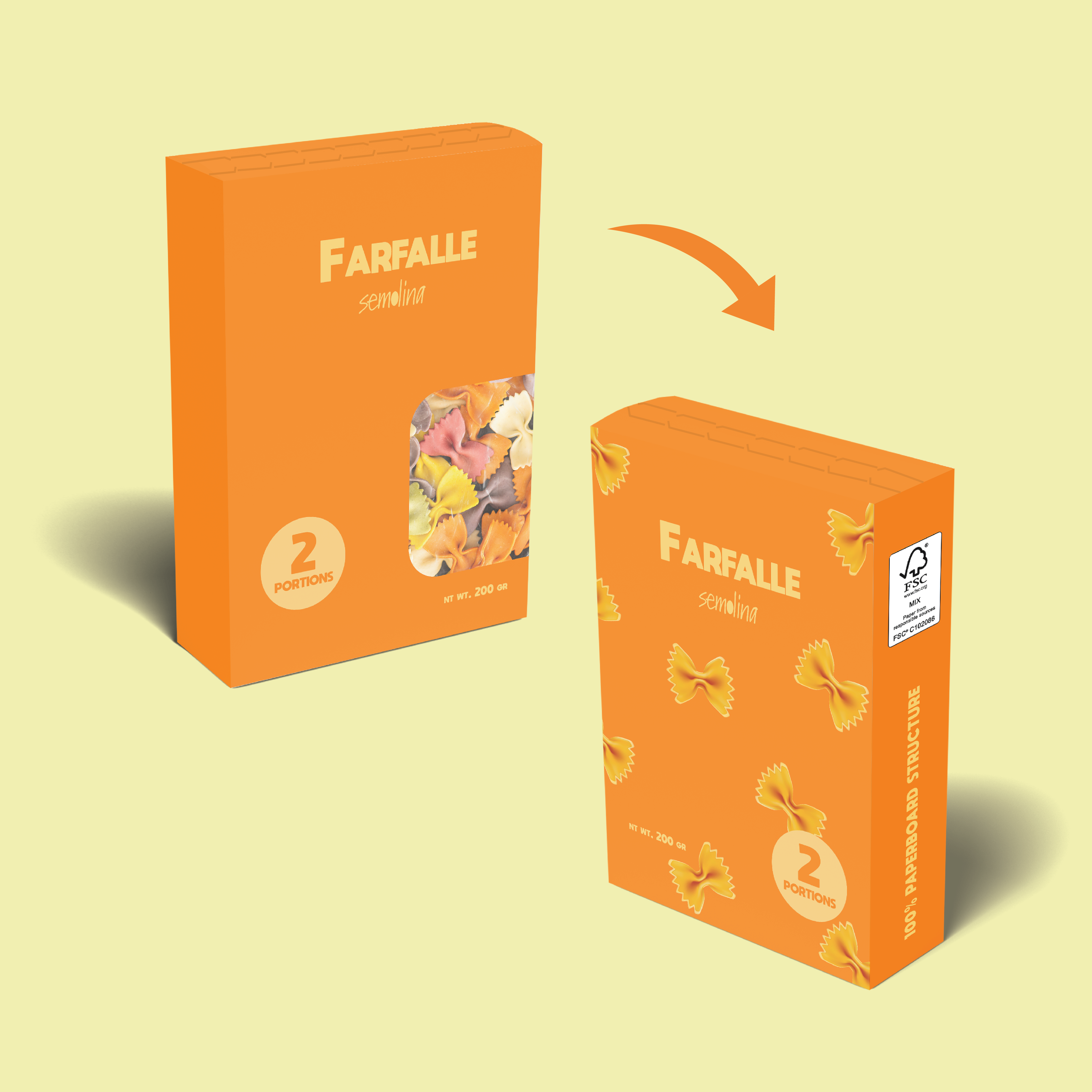
Innovation in layering also extends to what we might call the slow reveal. To truly win consumer approval in the Chic Pantry era, brands are moving finishes to unexpected places, such as the interior of a box or the underside of a lid.
According to data from Dotcom Distribution, 40% of consumers are more likely to make a repeat purchase from a brand that provides "gift-like" packaging. When a consumer finds a gold-foiled pattern on the inside of a pasta box or a hidden texture on the base of a bottle, it creates a peak-end emotional experience.
Finally, layering serves a functional purpose in an era of high-end dupes. Complex, registered finishes—where a foil must perfectly align with a fine-line emboss—are difficult and expensive to replicate.
In a market where counterfeit or copycat food and beverage products result in massive global losses annually, these intricate layers act as a physical watermark. For the consumer, the precision of layered finishes is proof of the "Artisan’s Hand," providing the final layer of confidence needed to move a product from the shelf to the home.

From first samples to full production, we’re here to make every step easier.
Insights, ideas, and real-world results. From new ways of thinking about packaging to case studies that show how we’ve solved complex challenges.
Manage how this site uses cookies. Essential cookies are always on.
Required for the site to function. Always active.
Google Analytics 4, HubSpot, and PostHog. Helps us understand site traffic. PostHog may also record on-page activity such as clicks, scrolling, and mouse movement (session replay) to help us diagnose usability issues.
Google Ads and Apollo.io. Apollo attempts to identify individual visitors and their employer using third-party business data, for sales and marketing outreach. Turning this off is your opt-out right.