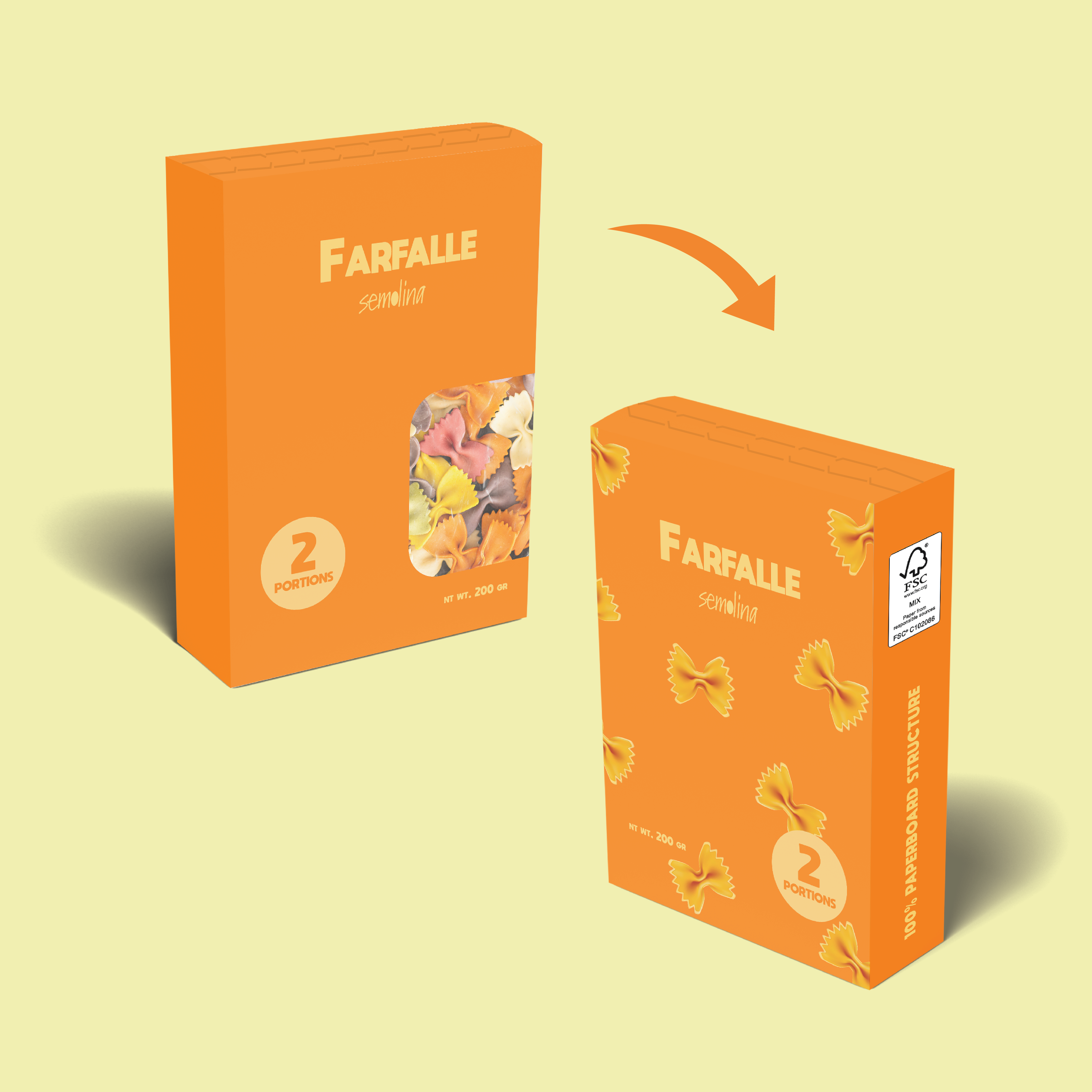
Read More Case Studies
Insights, ideas, and real-world results. From new ways of thinking about packaging to case studies that show how we’ve solved complex challenges.

As more consumers discover products through online stores, packaging must perform beyond the physical shelf. Strategic design details help brands maintain visibility and communicate quality in digital environments.
The way consumers discover food products is evolving. Increasingly, shoppers encounter new brands through digital storefronts, social media, and direct-to-consumer platforms before they ever see them in person.
Online grocery sales have grown rapidly in recent years, reaching 11.7% of total U.S. grocery sales, and specialty food sales through e-commerce continue to outpace overall grocery growth.
Platforms such as Shopify and other direct-to-consumer tools have also made it possible for emerging brands to reach customers far beyond their local retail markets.
Yet despite this growth, non-commodity foods often struggle to replicate their in-store success online. Research shows that specialty foods account for 21.7% of grocery sales in physical stores but only 9.7% of online grocery sales, highlighting the challenge of translating shelf appeal into digital environments.
One reason is simple: the digital shelf changes how packaging is experienced.
In a store, shoppers encounter packaging through multiple senses. Color, texture, structure, and even weight contribute to the overall impression of quality.
Online, however, most of that experience is reduced to a photograph. This makes visual clarity and contrast far more important. When a product appears as a small thumbnail on a website or a scrolling image on a mobile screen, packaging must capture attention quickly and communicate quality instantly.
Finishing techniques such as gloss coatings, matte contrasts, and foil stamping can play a powerful role in achieving this effect.
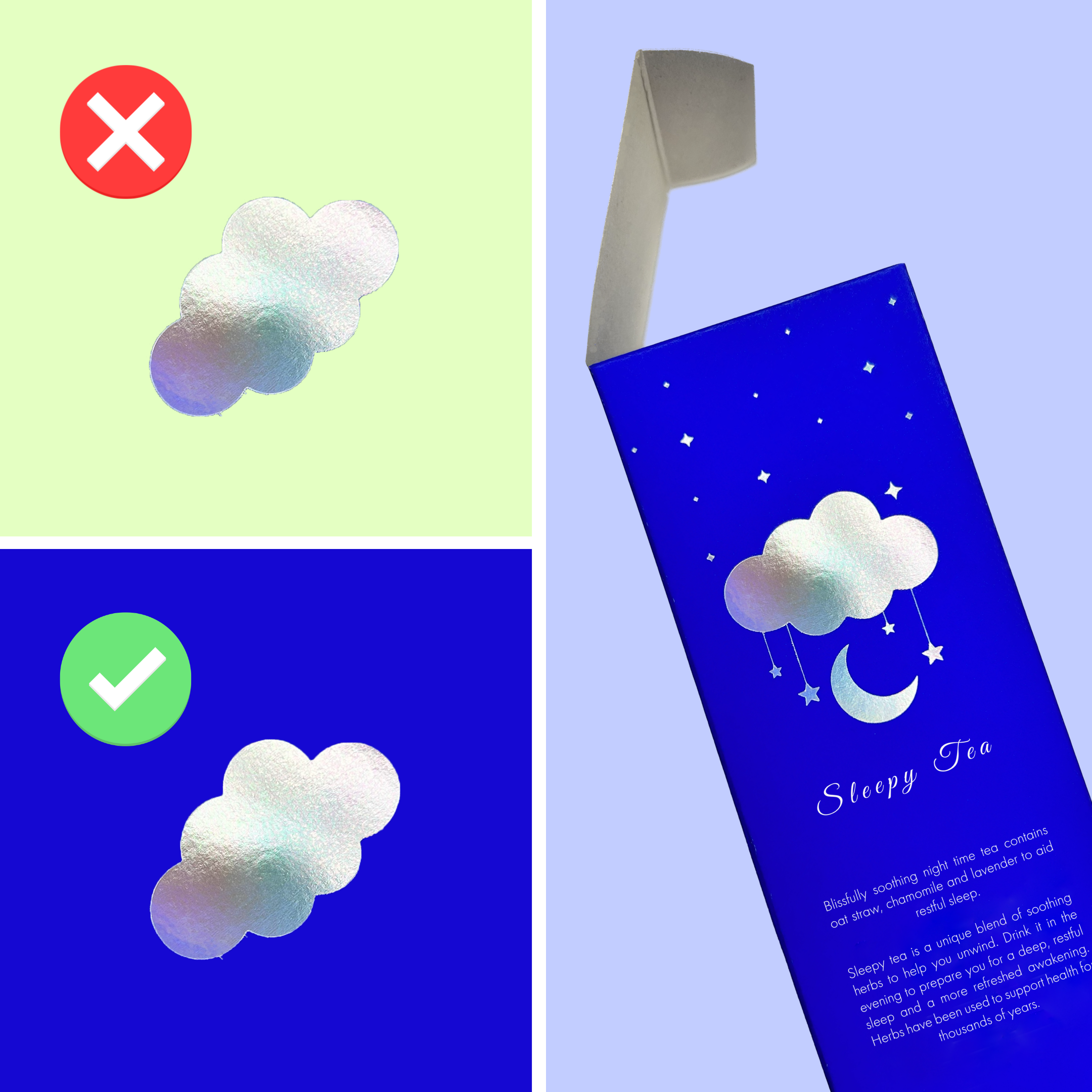
Contrast is one of the most effective visual tools in packaging design. By combining finishes that interact differently with light, packaging designers can highlight key brand elements and create a sense of depth that draws consumers' eyes toward the most important parts of the package.
Matte surfaces absorb light, creating a soft and refined appearance. Gloss coatings, by contrast, reflect light and add brightness to specific areas of the design. When these two finishes are combined—such as a matte background paired with gloss spot elements—the result is a subtle yet striking visual effect.
In product photography, this contrast becomes even more noticeable. Highlights created by gloss or foil finishes introduce small points of reflection that help packaging stand out in product images, particularly when viewed as small thumbnails in online stores.
Foil stamping is another alternative to capture online shoppers. It introduces another dimension to packaging design: metallic reflection.
Because foil captures and reflects light differently than printed inks, it naturally creates highlights that stand out in both physical retail settings and digital imagery. A foil-stamped logo, seal, or border can provide a focal point that reinforces a product’s premium positioning.
For brands selling online, these reflective details can make packaging appear more dynamic and visually engaging in photographs, helping products stand out even when displayed among dozens of competing items on a digital page.
As the food and beverage industry continues to expand its online presence, brands must learn to succeed on what some industry experts describe as both the “stage” of the physical store and the “screen” of digital retail.
Packaging that incorporates these finishes offers a strategic way to enhance shelf presence and translate effectively in photography, ensuring the product maintains its visual impact across multiple retail environments and communicates quality without changing the overall structure of the package.
If your brand is exploring ways to create more impact through packaging design, our team can help you identify embellishment options that bring your product to life while remaining aligned with your brand’s vision and production goals. Request some samples today and experience these packaging possibilities up close.

From first samples to full production, we’re here to make every step easier.
Insights, ideas, and real-world results. From new ways of thinking about packaging to case studies that show how we’ve solved complex challenges.
Manage how this site uses cookies. Essential cookies are always on.
Required for the site to function. Always active.
Google Analytics 4, HubSpot, and PostHog. Helps us understand site traffic. PostHog may also record on-page activity such as clicks, scrolling, and mouse movement (session replay) to help us diagnose usability issues.
Google Ads and Apollo.io. Apollo attempts to identify individual visitors and their employer using third-party business data, for sales and marketing outreach. Turning this off is your opt-out right.